


By Simply Accounts on Dec 12, 2025, 12:30:00 PM
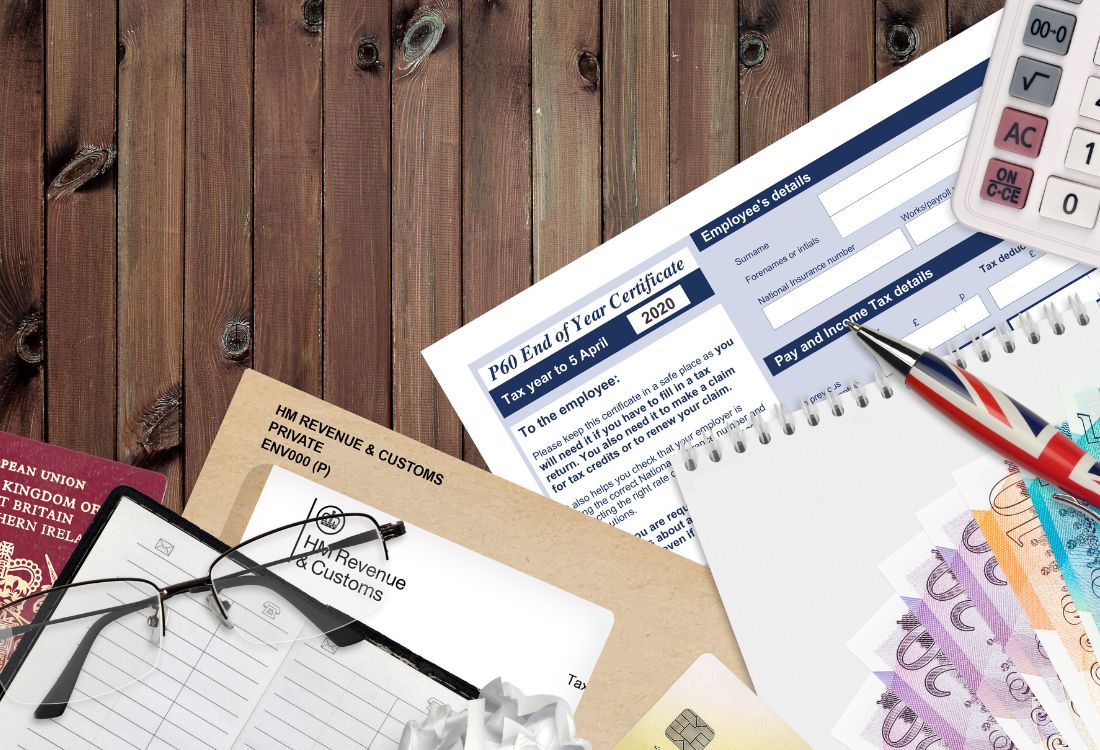
If you are an employee, receiving your P60 at the end of the tax year is a routine event. This document is much more than just a piece of paper, it’s a crucial summary of your financial life for the previous year. Knowing how long you should keep P60 documents is essential for maintaining smooth personal finances and avoiding unnecessary stress down the line.

A P60 is an annual summary of pay and tax for employees. It details your total earnings and the amount of tax and National Insurance contributions deducted in the tax year, which runs from 6 April to 5 April. While the short answer is that HMRC offers a minimum guideline, keeping these records longer offers valuable peace of mind and strategic advantage.
The Legal Minimum: HMRC's Recommendation
HMRC, the governing body for tax, provides a definitive minimum guideline for retaining these records. This is the baseline you must adhere to for compliance purposes.
The Employee Guideline
For employees, HMRC recommends keeping P60s for at least 22 months after the end of the tax year to which they relate. This guideline is designed to cover the possibility of HMRC needing to perform routine checks or adjust your tax code in the year following your submission. Having the P60 readily available allows you to quickly verify the figures used for your Self Assessment or any tax refund claims you might have made.
The Employer Obligation
It’s important to note the different, stricter rules for businesses. Employers are legally required to keep payroll records for three years after the end of the tax year they relate to. This is their corporate obligation, but it highlights the importance the tax authority places on accurate, traceable payment history.
If you are a director of a limited company, you have dual responsibility. As an employee of the company, you should follow the personal guideline, but as the company director, you must ensure the company follows the employer guideline for all staff. Thinking about the P60 as proof of income is the simplest way to understand why this record-keeping is so important.
The Strategic Advantage: Why Keep Records Longer?
While the legal minimum is under two years, our professional advice is that you should keep P60 records for much longer, especially for anyone with significant financial goals. Safe record-keeping ensures proof of income and tax paid if needed for future applications.
1. Future Financial Applications
One of the most common reasons to keep older P60s is for major financial decisions. When applying for a mortgage, refinancing a property, or securing a personal loan, lenders often request three to five years of P60s and payslips to verify your stable income history. The older the record, the more credible your long-term earnings are viewed.
2. Benefits And Pension Claims
If you ever need to claim state benefits, or when you approach retirement and access your state pension, you may be asked to provide proof of your employment and National Insurance contributions from years past. An old P60 provides definitive evidence of your contributions, helping to expedite benefits claims.
3. Correcting Errors
Tax records, while usually accurate, can sometimes contain errors. HMRC has the power to look back several years (up to six years in cases of carelessness, and longer in cases of deliberate error). Keeping them longer can help with mortgage applications, benefits claims or correcting errors discovered years after the tax year has ended. If an issue arises, having the original P60 is your definitive proof of the figures you submitted, saving you time and stress.
Best Practice For Safe Record-Keeping
To maintain a secure and accessible record, consider the following practical steps:
- Digital Copies: Scan or save a digital copy of every P60 you receive. Store it securely in a well-named folder (e.g., "P60 2024-2025") in the cloud or on a secure hard drive.
- Physical Filing: Keep the original paper copy filed neatly. A simple annual folder or box is sufficient to prevent the document from being lost or damaged.
- Consistency: Get into the habit of filing your new P60 immediately after you receive it, typically around the end of May each year.
How Can We Help
We provide support that is friendly and helpful. We recommend aiming to keep these crucial documents indefinitely, or at least for six years, to align with the longest standard time frame for tax investigations. This extra caution ensures you are always prepared, allowing you to manage your personal finances proactively and confidently.
We are here to provide clear, straightforward and factual guidance, ensuring you feel comfortable and supported in managing these essential documents. Get in touch with the Simply Accounts team if you want to find out more. We’re always happy to answer any questions.

Image Source: Canva
.webp)
Chester Accounting Services: What To Look For In A Local Accountant

How Does HMRC Calculate Interest On Late Payments?


No Comments Yet
Let us know what you think